Bigleaf Hydrangea
My corner anchor, with mophead blooms that drift between pink and lavender depending on the year's soil. She leans toward the hives like she knows where the bees live.
A journal of plants, pollinators, and patience
Sun-loving, pollinator-feeding perennials chosen with the bees in mind.
My corner anchor, with mophead blooms that drift between pink and lavender depending on the year's soil. She leans toward the hives like she knows where the bees live.
The quiet centerpiece of the back bed — ten years of slow branching into a burgundy canopy that turns the evening light to embers.
Feathery pink plumes that thrive in the shady, damp corner where almost nothing else will flower. The fern-like foliage looks good long after the blooms fade.
The evergreen backbone of the garden — tidy green spheres that hold the structure together all winter while everything else disappears.
Upright spikes of deep violet-blue that the bees work from morning to dusk. One of the hardest-flying favorites in the whole bed.
Golden, dark-eyed daisies that take over the bed from midsummer into fall. Native, cheerful, and completely unbothered by heat.
The hardest-working flower in the garden. From July on it’s never without a bumblebee — the bridge between my beds and my hives.
A cloud of tiny white flowers that softens every hard edge in the bed and glows when the low evening light passes through it.
Tucked right beside the hive so its little blue flowers are the bees’ first stop. Overwinters in the garage when the Jersey cold turns serious.
The leafy collection that slowly ate the living room shelves.
The first big plant I ever bought and still the centerpiece — now throwing fenestrated leaves the size of dinner plates every spring.
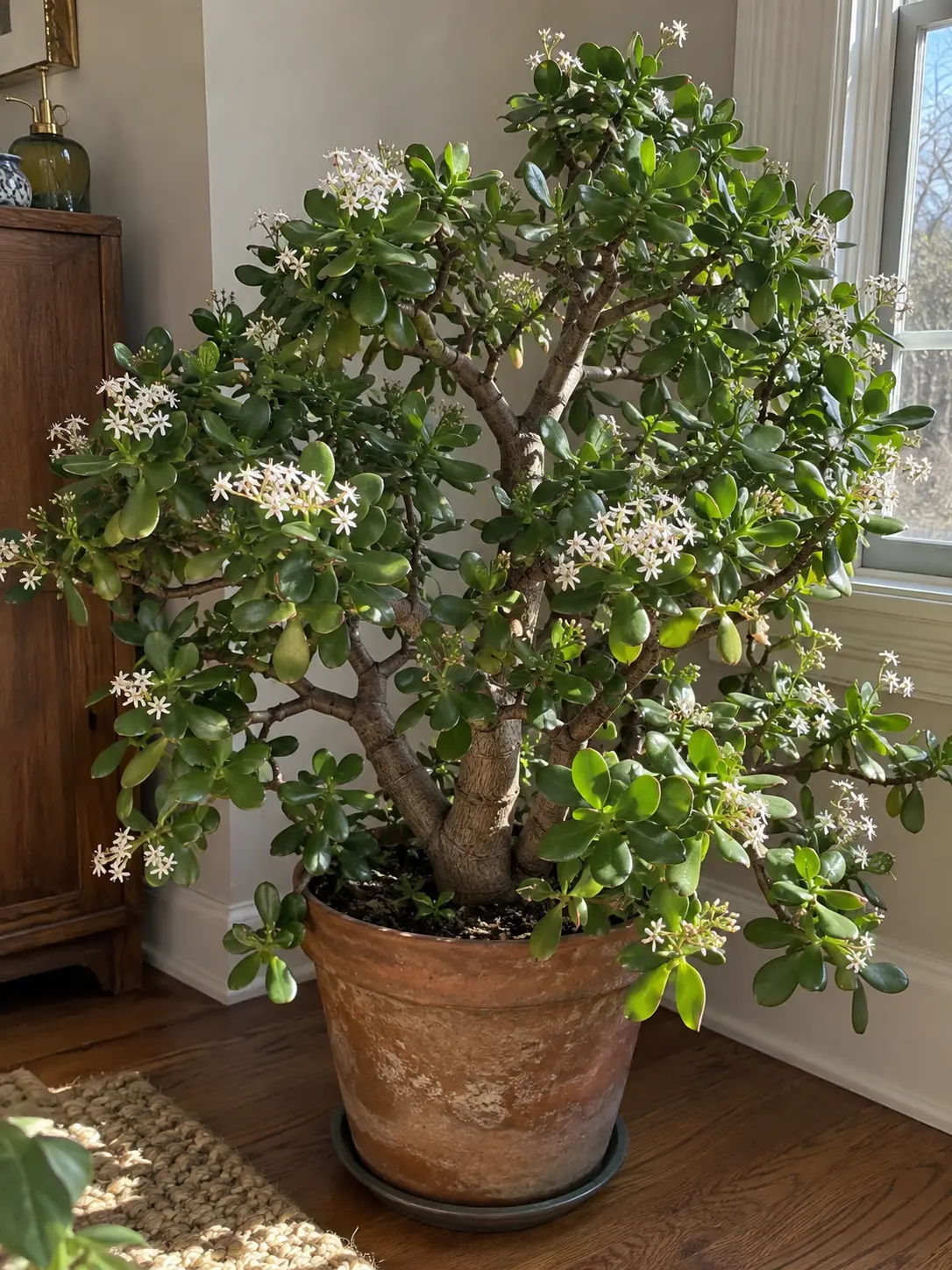
The one I recommend to everyone who insists they kill everything. Architectural, drought-proof, quietly cleaning the air.
A waterfall of glossy heart-shaped leaves off the middle shelf — one of the easiest, most forgiving trailers there is.
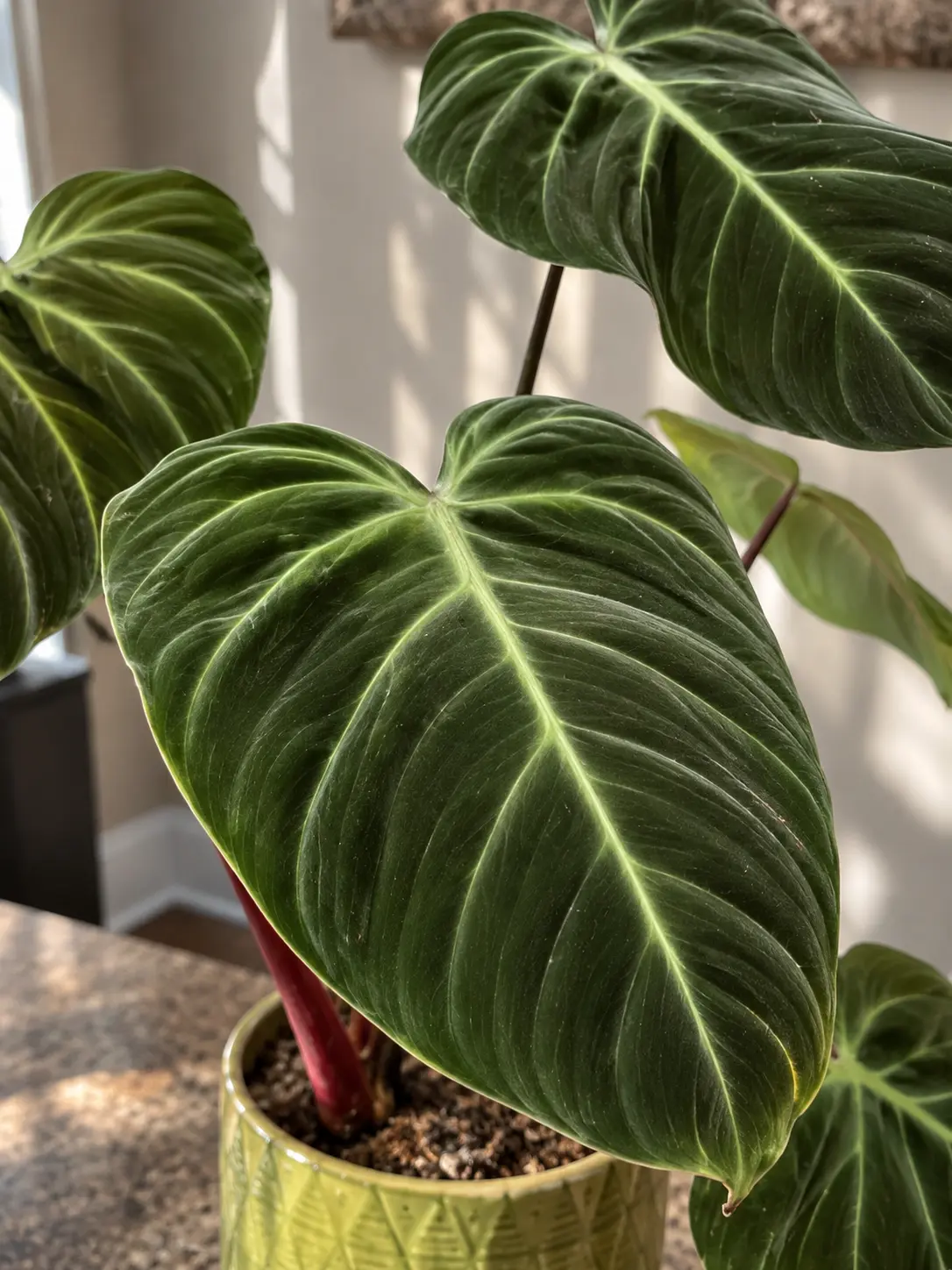
Velvety, bronze-green heart leaves that catch the light like suede. The softer, moodier cousin of the heartleaf.
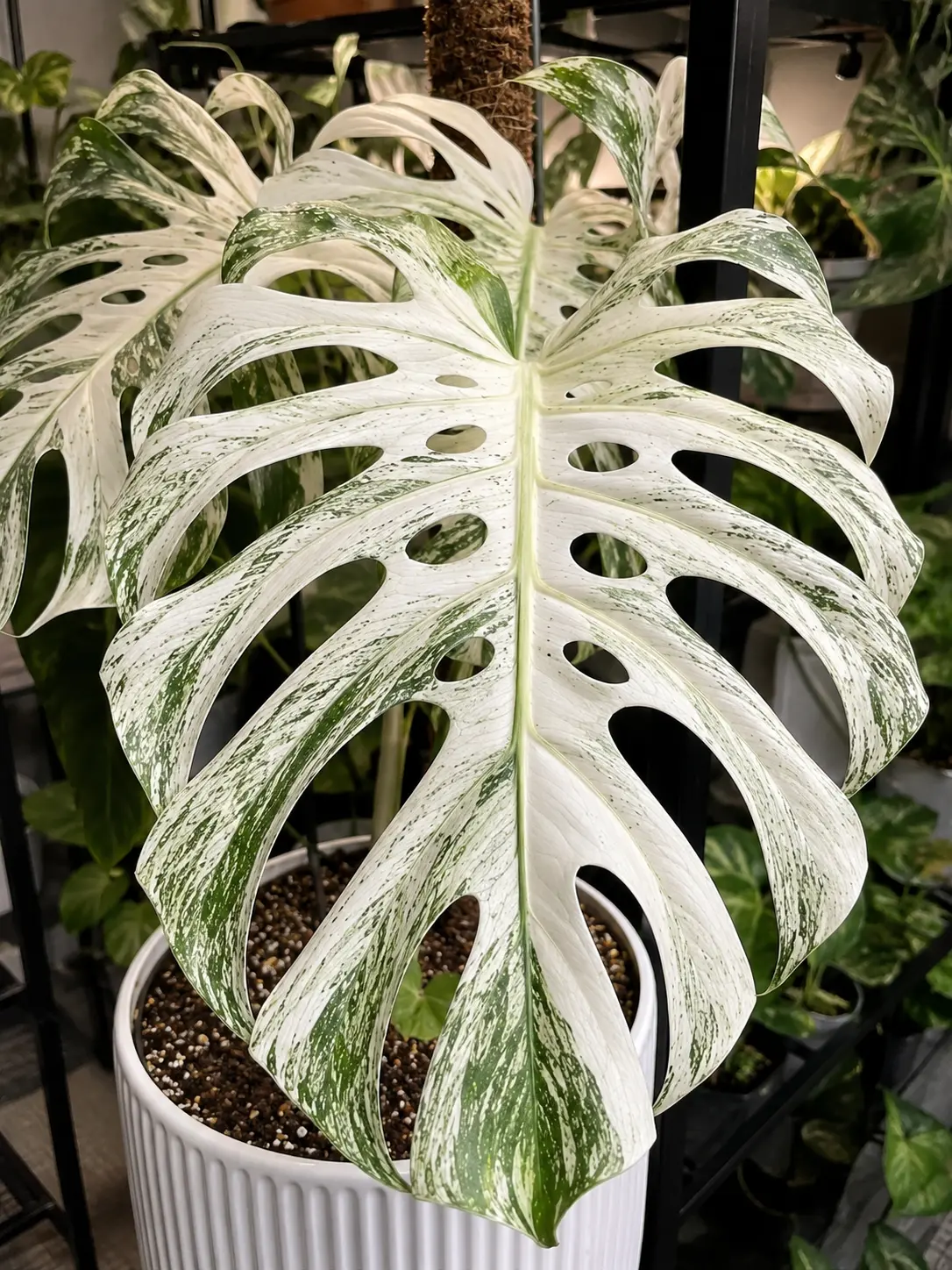
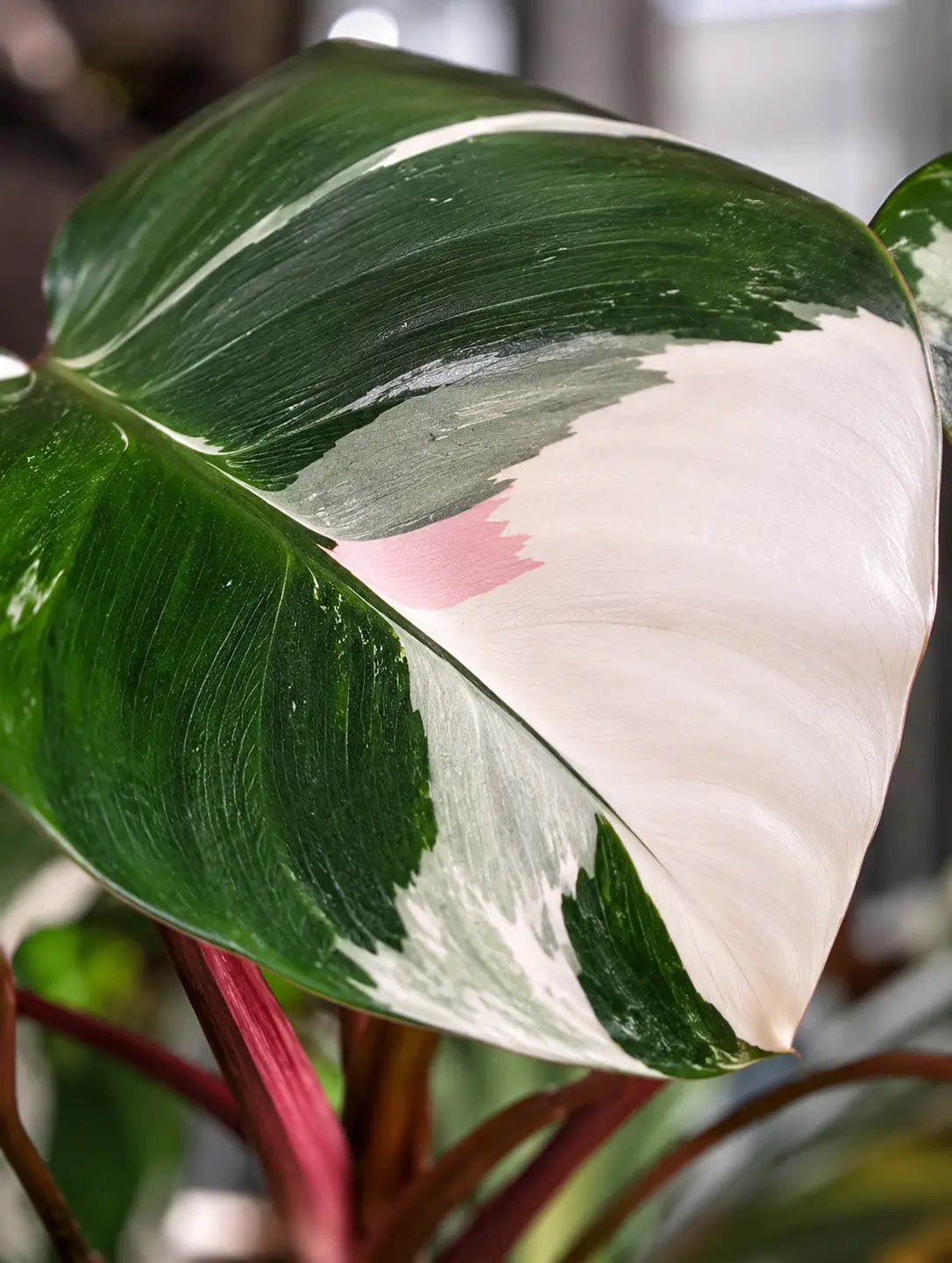
The collector’s prize — dark leaves splashed with bubblegum pink, no two the same. Worth every bit of the fuss.
The vine that started the whole jungle. Nearly unkillable, endlessly shareable, and happy to trail several feet down from a sunny shelf.
Dramatic arrow-shaped leaves with bright white veins — the diva of the shelf, and worth indulging.
Delicate trailing strands of tiny silver-marbled hearts spilling off the top shelf.
A cascade of little green beads — the trickiest of my trailers, but mesmerizing when happy.
The big statement plants that need all the light the house can give them.
The tall standard-form tree by the sunroom windows — the plant everyone asks about, and the one that taught me patience.
Huge paddle leaves that turn the sunroom corner into something tropical. The biggest personality in the house.
Patterned silver-and-green leaves that bring color low to the ground — tough, lush, and undemanding.
Five pollinator favorites going in this season — chosen to bloom in a relay from early summer through fall, so the hives never run short.
A native pollinator magnet practically named for the job — shaggy crimson-purple blooms the bees and hummingbirds fight over.
Soft mounds of lavender-blue that flower for months, shrug off drought, and hum with bees from morning on.
Licorice-scented foliage under tall purple spikes — one of the richest nectar sources I can plant near the hives.
Late violet daisies that feed the bees right before winter, stretching the forage season as everything else fades.
The natural partner to my potted rosemary — fragrant, bee-beloved, and happy in NJ heat with sharp drainage.
Two Langstroth hives at the back of the yard.
The hives went in the spring after my second garden season, once I realized how many pollinators the beds were already pulling in.
Beekeeping turned out to be the most patient hobby I've taken on. You can't rush a colony any more than you can rush a seed.
What I love about bees, more than anything, is that they have it all figured out. Every bee in the hive knows who she is and what she's for. The workers tend, the foragers fly, the queen lays, and somehow without a single argument or wasted motion, they build a whole world together. They take care of each other, and they leave the places they visit better than they found them. That's the trick, isn't it. I don't know that I've ever quite figured out who I am the way a bee knows from the moment she's born, but I think about them every day, and I hope that the way I tend this little patch of land, and the way I show up for the people in my life, is at least a little bit like the bees.